Smart Mobility & Transportation

スマートモビリティ・交通

Smart Mobility & Transportation

Keywords

traffic simulationtransportation digital twinmobility digital twinvehicle dispatch optimizationautonomous drivingin-vehicle networksV2X communicationurban digital twincongestion predictionISAC

Transportation systems support both economic activity and daily life, but they also involve many persistent challenges, including traffic congestion, accidents, environmental impact, regional mobility gaps, and inefficiencies in logistics. To address these intertwined issues, we advance data-driven research based on digital twins, cyber-physical systems (CPS), and real-world mobility data. Our goal is safe and sustainable smart mobility through congestion prediction and control, travel assistance, autonomous driving support, and transportation simulation.


Advanced Driving Support and Merging Assistance

We study machine learning models and decision-support methods that improve driving assistance in highway merging and other complex traffic situations. The objective is to enhance both safety and traffic smoothness by learning vehicle behavior and surrounding traffic context.

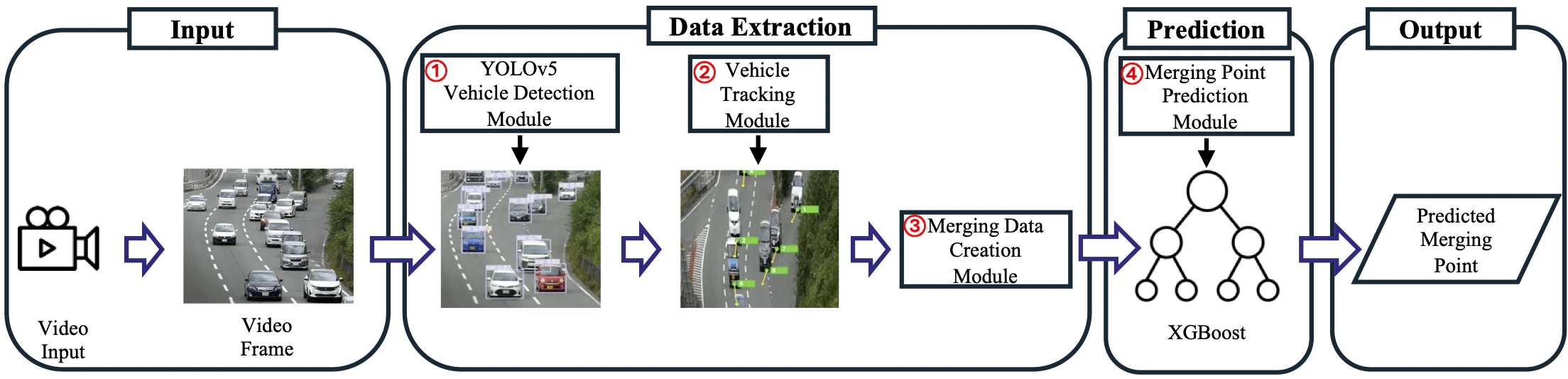
AI for Merging Assistance. Doyoon Lee, Akihito Hiromori, Mineo Takai, Hirozumi Yamaguchi, "Efficient On-Ramp Merging Point Prediction Using Machine Learning", 27th IEEE International Conference on Intelligent Transportation Systems (ITSC 2024), 2024.


Pedestrian Flow Simulation and Urban Digital Twins

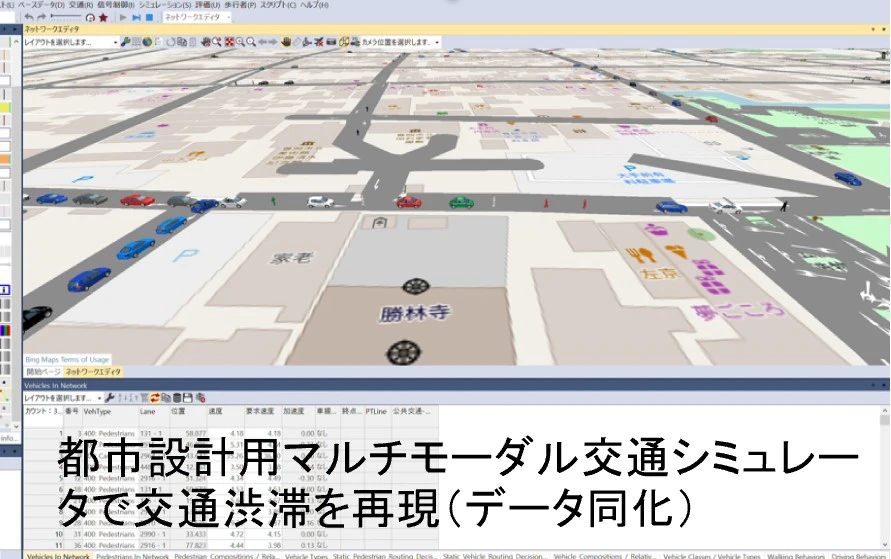
We study urban mobility simulation that reproduces people flow with high fidelity by combining wide-area location data and spot observations. Through urban digital twins, we aim to understand pedestrian dynamics, evaluate interventions that encourage circulation, and support transportation demand prediction.

🏆MobiQuitous2024 Best Paper Award
Simulating Urban Pedestrian Flows by Fusing Wide-Area Location Data and Spot Pedestrian Counts
Masashi Uegaki, Tatsuya Amano, Hirozumi Yamaguchi
Mobile and Ubiquitous Systems: Computing, Networking and Services. MobiQuitous 2024, pp.550-569
DOI:10.1007/978-3-032-10554-7_29Related Project:LLM-Driven Urban Transportation Simulation Platform

Related project: STEAM, a secure and reliable framework for energy and mobility in smart communities. The project has been extended to transportation simulation for Toyooka and Osaka.

NICT project: "Co-visualizing the Future of Cities: A Triplet Co-Creation Digital Twin for Citizens, Municipalities, and Businesses."

Based on behavioral data from smartphones and infrastructure sensors, we are developing a digital twin platform that predicts the effects of introducing new mobility services and projects the resulting behavioral changes into a 3D virtual city. We validate the approach through electric-mobility deployment experiments in Wakayama City.


Integrated Sensing and Communication for Transport Infrastructure

We study high-reliability transportation and mobility infrastructure using ISAC, or Integrated Sensing and Communication. By unifying wireless communication and environmental sensing, we aim to build a foundation that enables more flexible and real-time traffic monitoring and control.

NICT project: "Integrated Control for Edge-Mobile-Core Systems in Integrated Sensing and Communication."

ISAC realizes wireless communication and sensing within a single system. By combining sensing outputs with communication control, it enables precise situational awareness and optimized control in transportation and mobility environments.


Large-Scale Traffic Simulation Platform

We study a large-scale simulation platform that runs many mobility agents in parallel on high-performance computing infrastructure to support policy evaluation and transportation planning. The goal is to reproduce complex traffic conditions in metropolitan areas and enable rapid evaluation of interventions.

Policy Evaluation Platform for Parallel Multi-Agent Simulation on High Performance Computing Infrastructure
Fukuharu Tanaka, Haruki Yonekura, Hirozumi Yamaguchi
SupercomputingAsia2025 Poster

Ray-Tracing-Driven Pattern-Based Vehicle Recognition in ISAC Radar

Heetae Jin, Akira Uchiyama

2026 IEEE International Conference on Pervasive Computing and Communications Workshops and other Affiliated Events (PerCom Workshops), PerRad 2026, pp. 328–333

ISACBeyond 5G +4

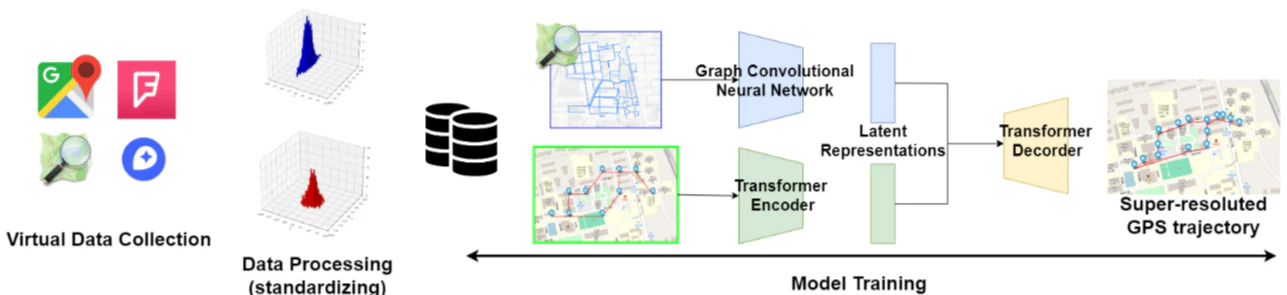
Map-Aware Super-Resolution GPS Trajectory Reconstruction via Machine Learning

Mobility Data ReconstructionSpatial-Temporal Data Processing +3

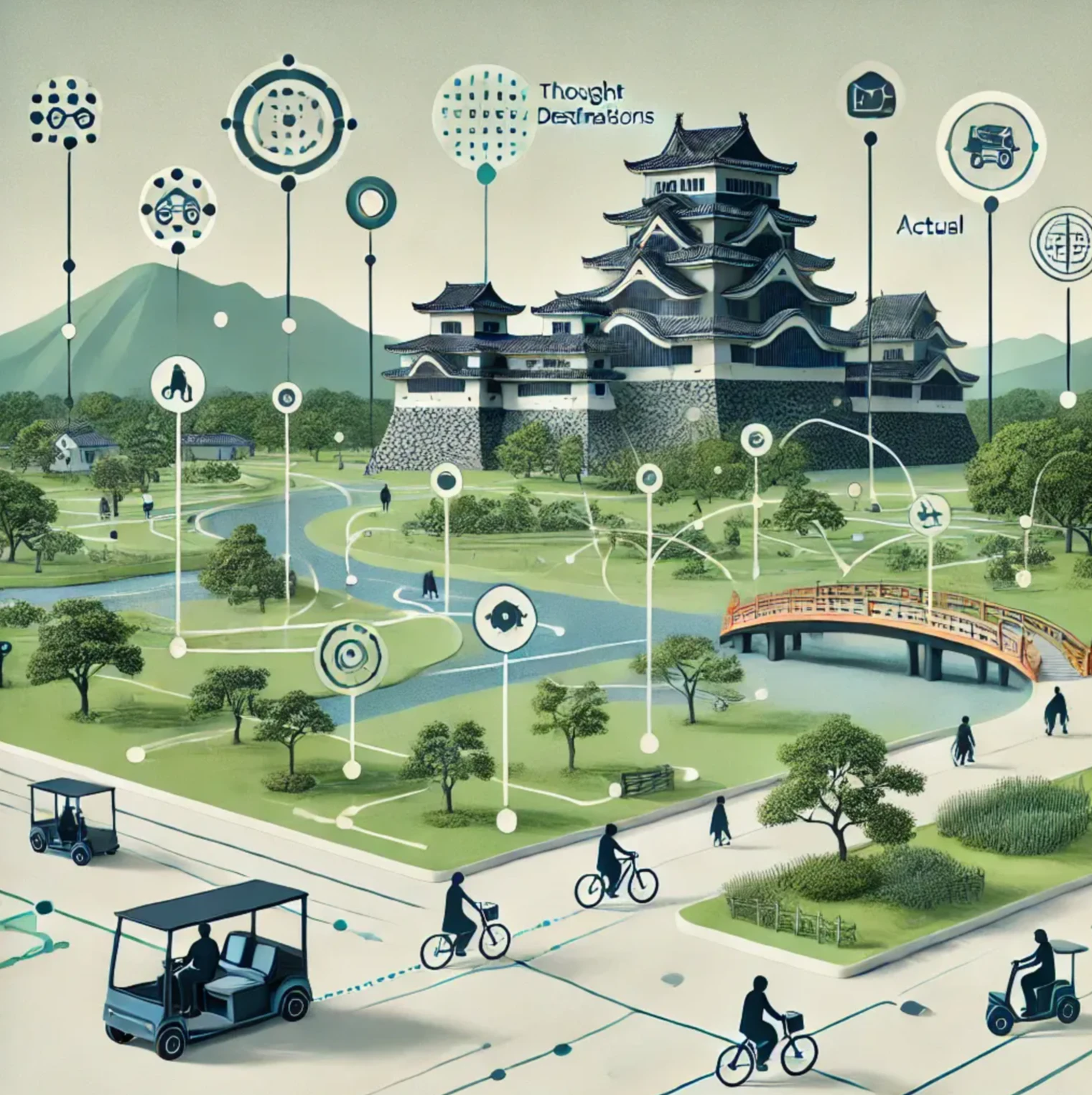
Understanding Visitor Mobility Patterns in Public Spaces: A Case Study of Wakayama Castle Park

Visitor Mobility PatternsWakayama Castle Park +7

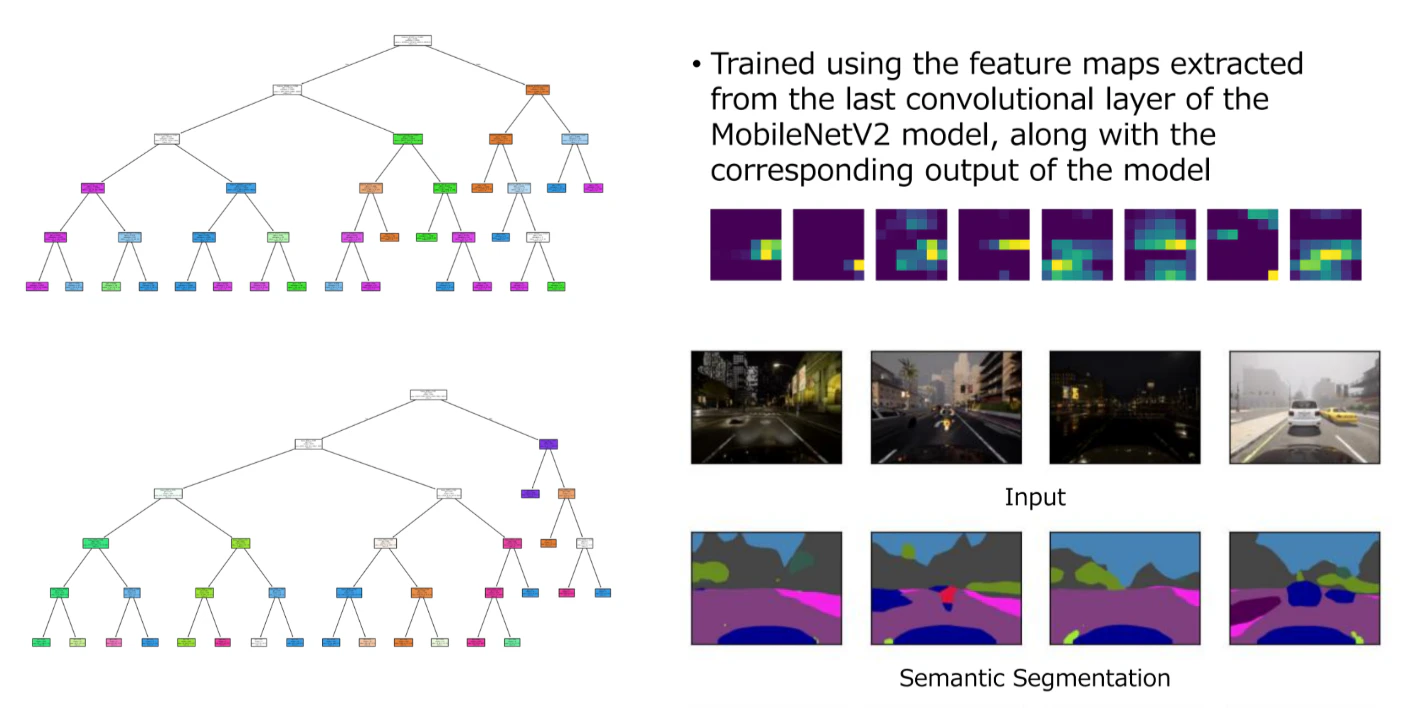
Interpretable Environmental Condition Recognition for Autonomous Driving Using Surrogate Decision Trees

Autonomous DrivingEnvironmental Condition Recognition +3

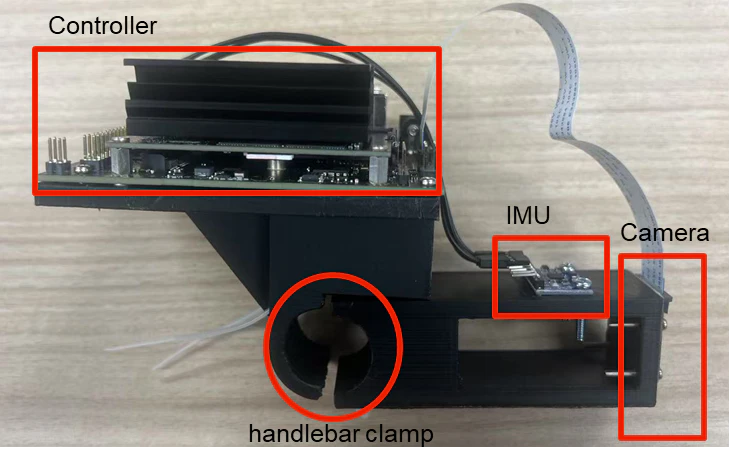
Real-time Path Prediction at the Edge for E-scooter

Electric Scooter (E-Scooter)Micromobility Traffic Safety +4

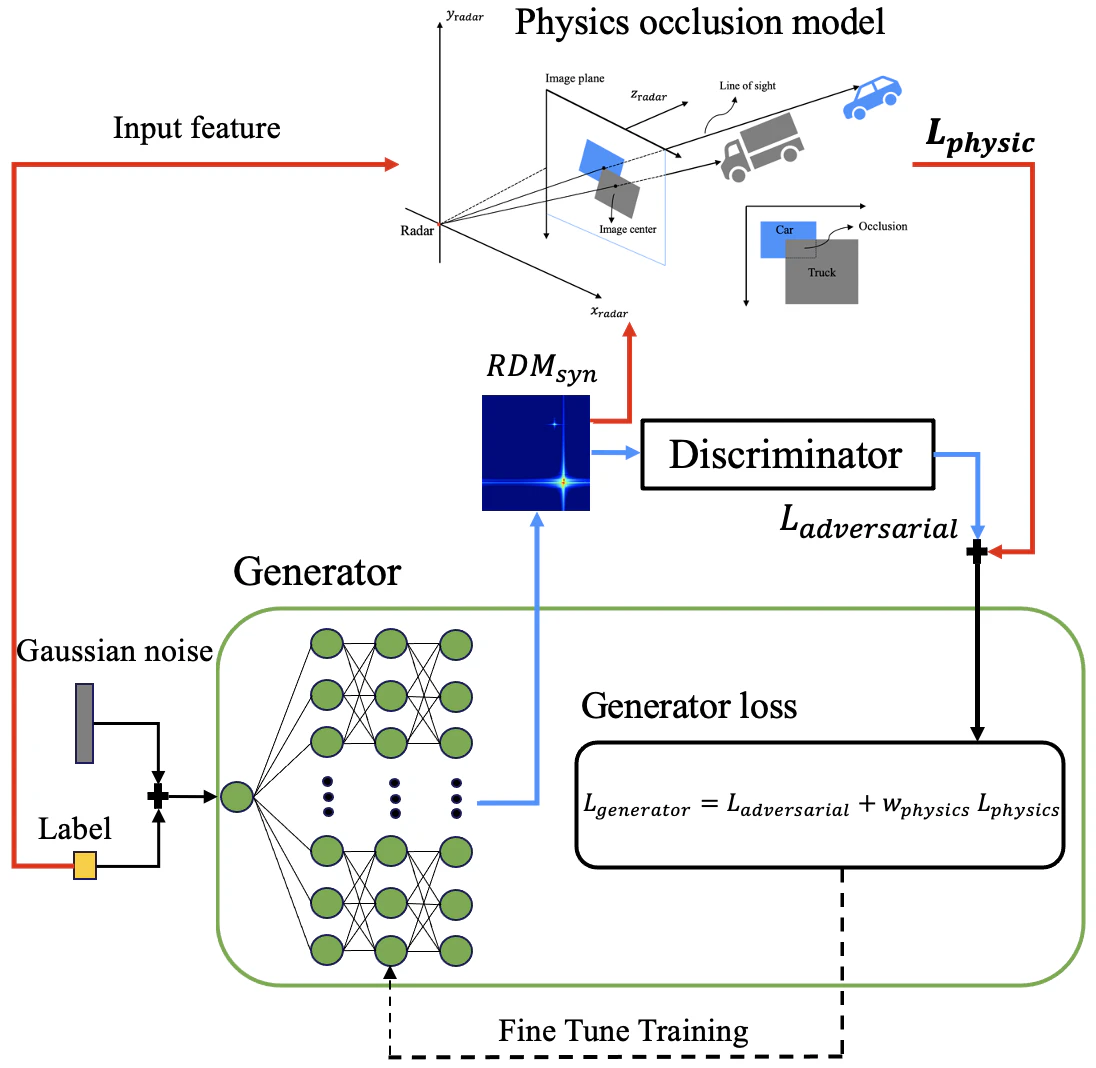
Physics-Informed Generative Adversarial Networks for Range-Doppler Map Generation under Inter-Vehicle Occlusion

Generative Adversarial NetworksPhysics-Informed Models +5

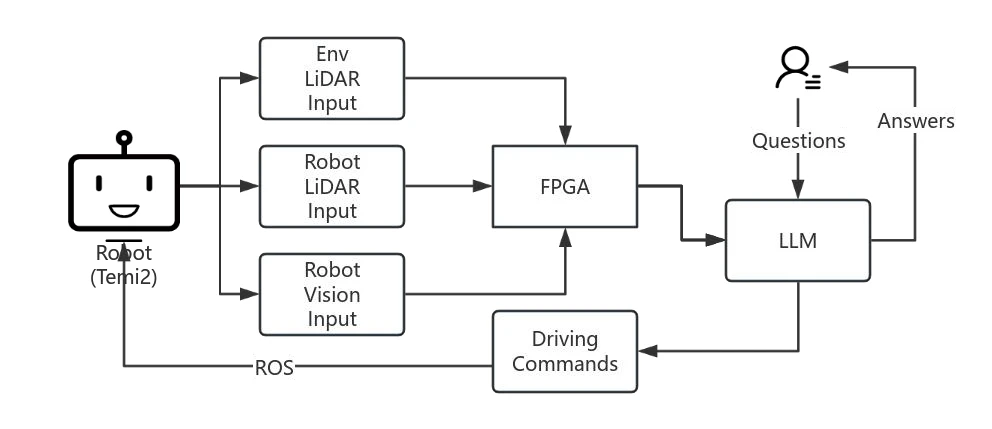
LLM-Driven Adaptive Autonomous Robot Navigation via Multimodal Fusion for Dynamic Environments

Autonomous NavigationMultimodal Fusion +4

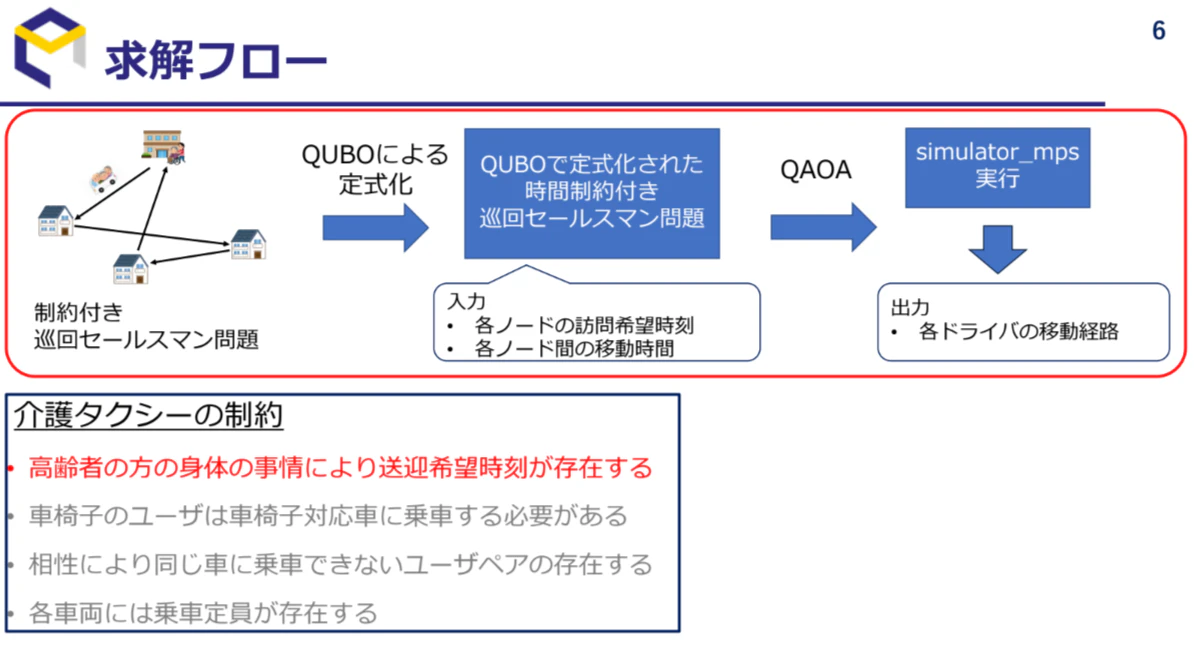
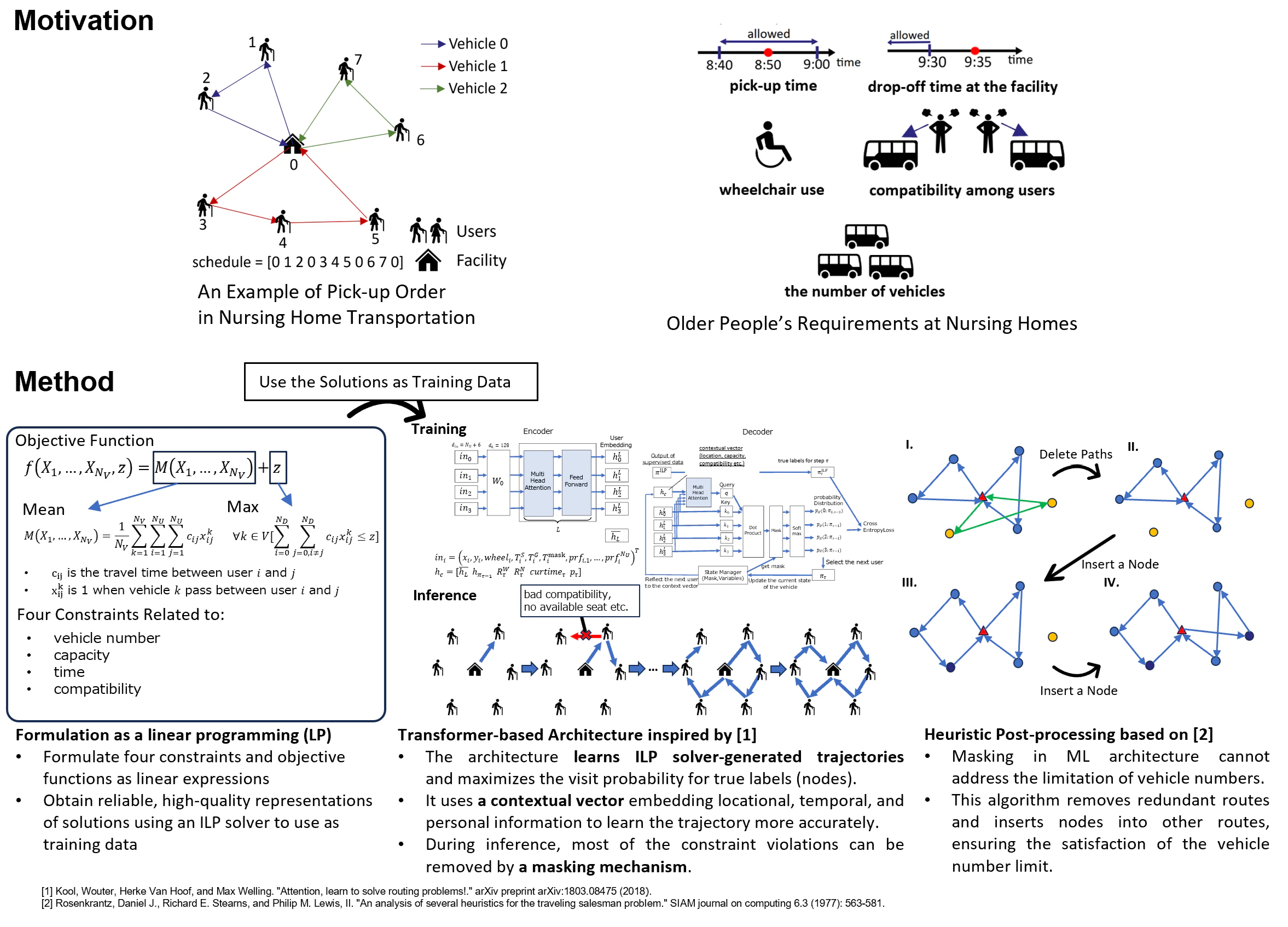
Quantum Approximation Method and Neural-Integrated Mathematical Optimization Algorithm for Elderly Care Taxi Dispatch Problem

Quantum ComputingCombinatorial Optimization +9

Lightweight Merging Point Prediction on Highway On-Ramps Using Regression Techniques

Driver Assistance SystemsMulti-autonomous Vehicle Studies +5

Optimizing Nursing Care Taxi Dispatch Leveraging Integer Linear Programming Solvers and Machine Learning

Vehicle Routing ProblemOptimization +4

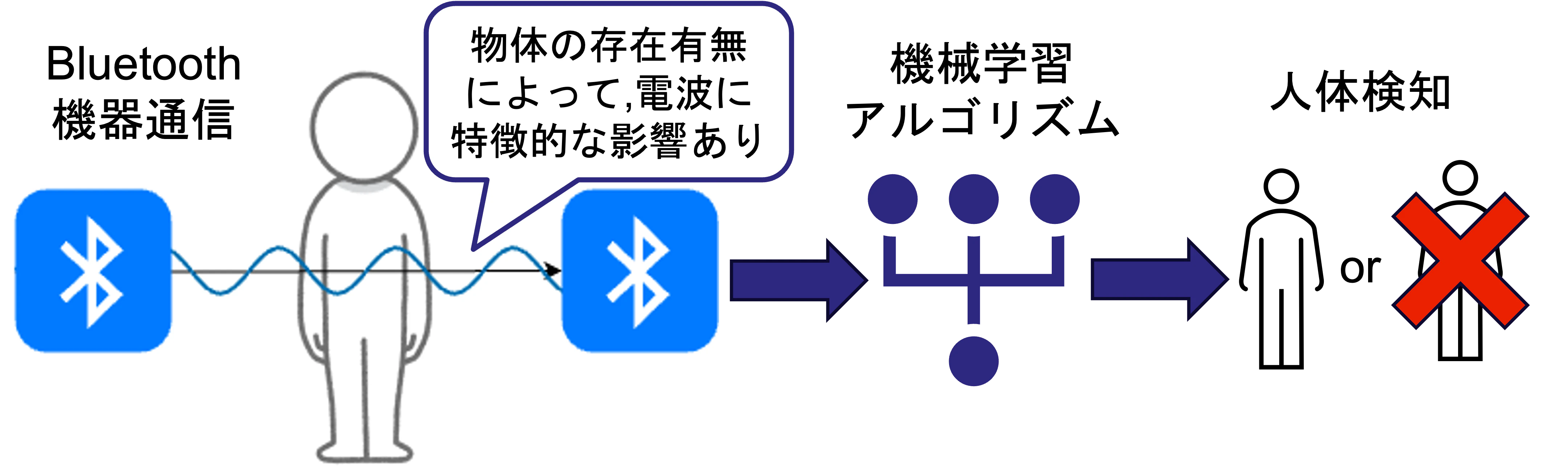
Human Presence Detection Using Bluetooth Channel Sounding

Bluetooth Channel SoundingBLE +2

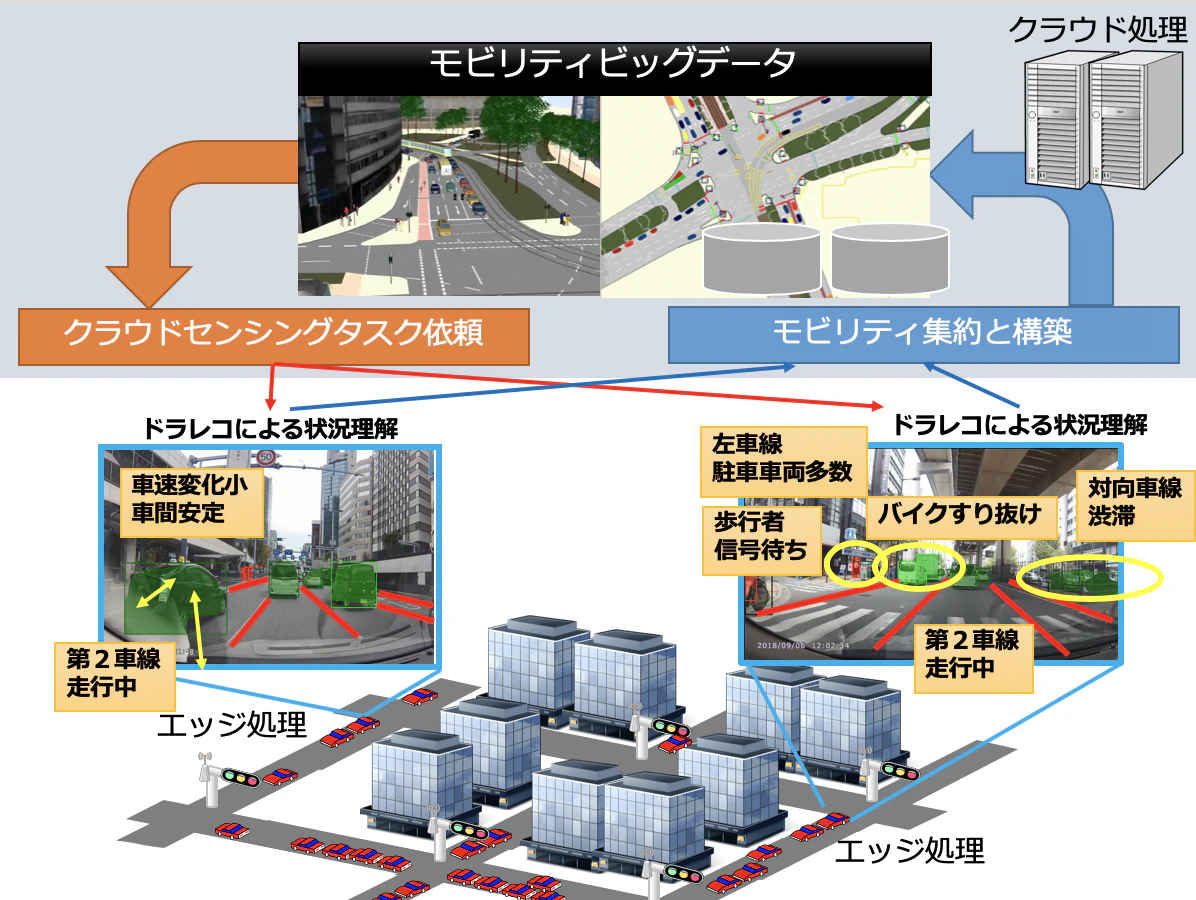
A Vehicle Tracking Method Based on Distance Estimation Using Dashboard Camera

Onboard Camera VideoMobility Data +2

A Method for Synthesizing Vehicle Mobility in Urban Areas Using Traffic Surveillance Cameras

Synthetic mobilityOD traffic optimization +1

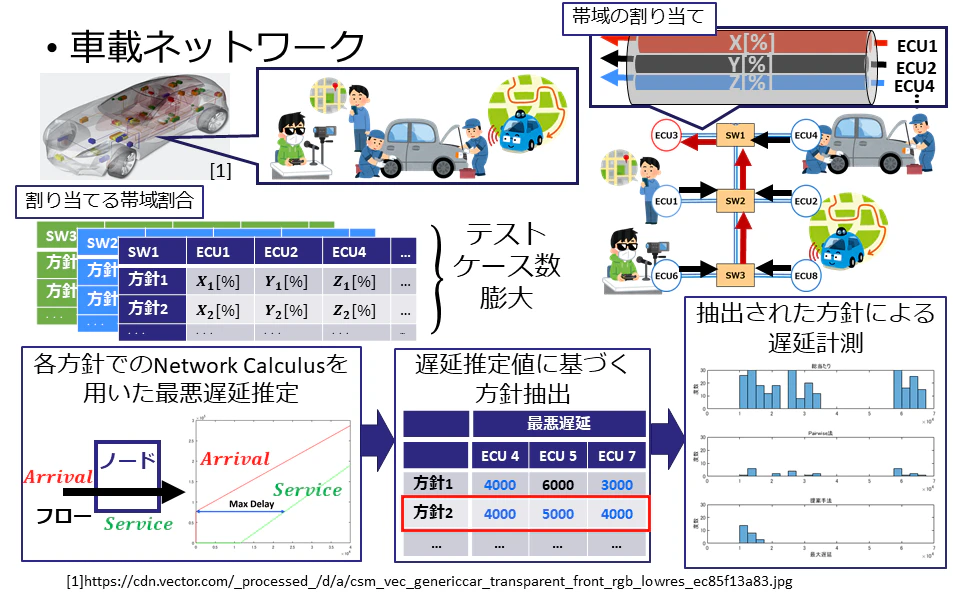
An Efficient Method for Evaluating Delay Performance Using Worst-Case Estimates Based on Network Calculus

In-Vehicle NetworkNetwork Simulation +1