The University of Osaka

M obile C omputing L ab.

Graduate School of Information Science and Technology

We explore real-world sensing, digital twins, and cyber-physical systems for cities, communities, and resilient societies.

Scroll to explore

Research Overview

Cyber-Physical Systems / Sensing / Intelligence

Research Scope

Bridging Physical and Cyber Worlds

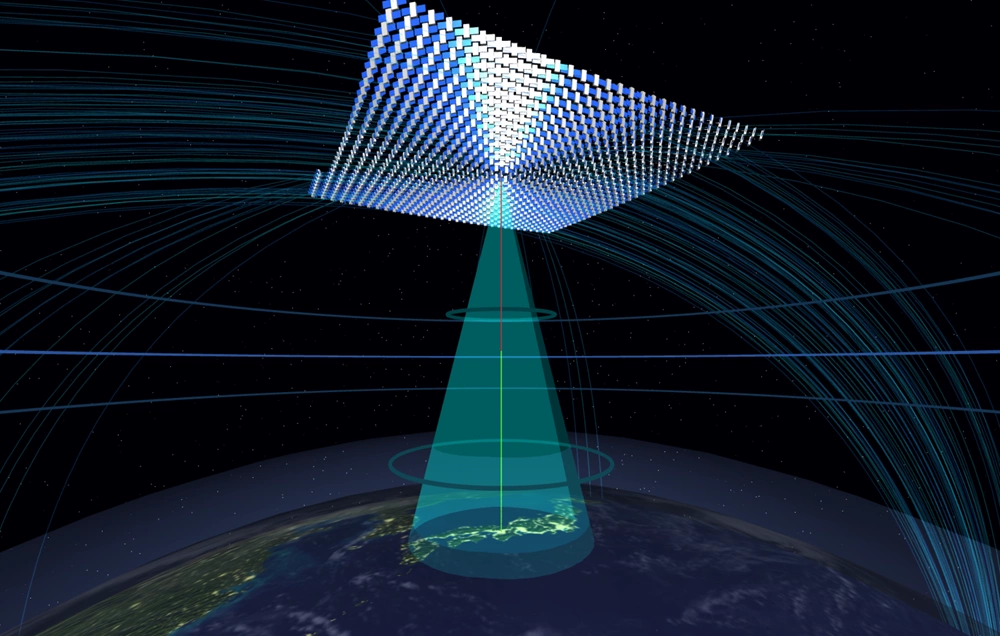
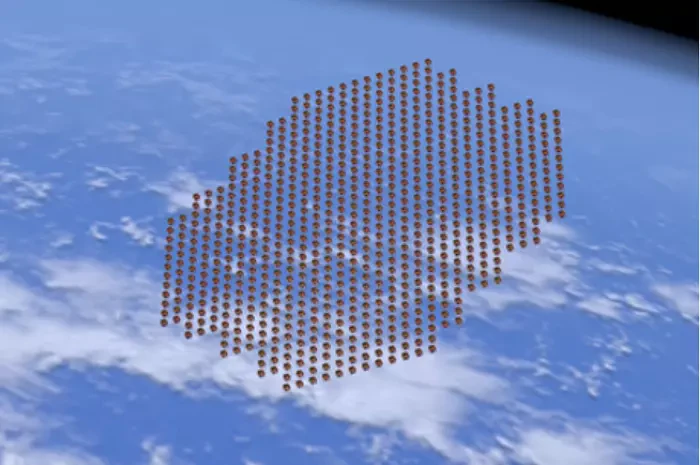
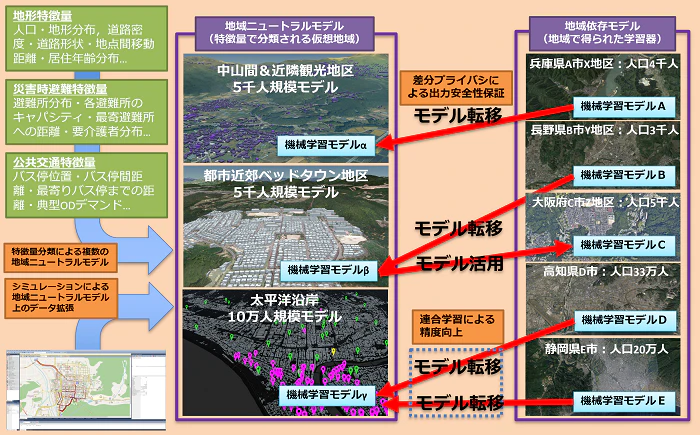
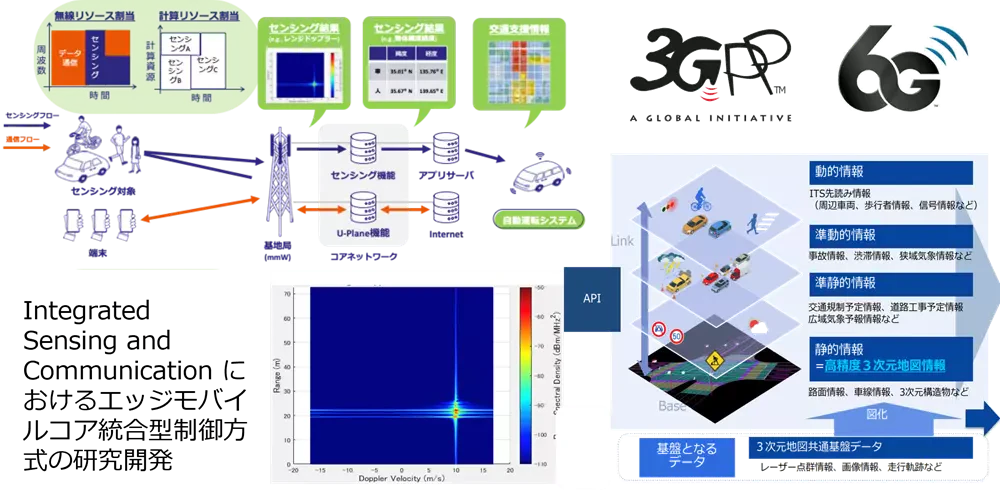
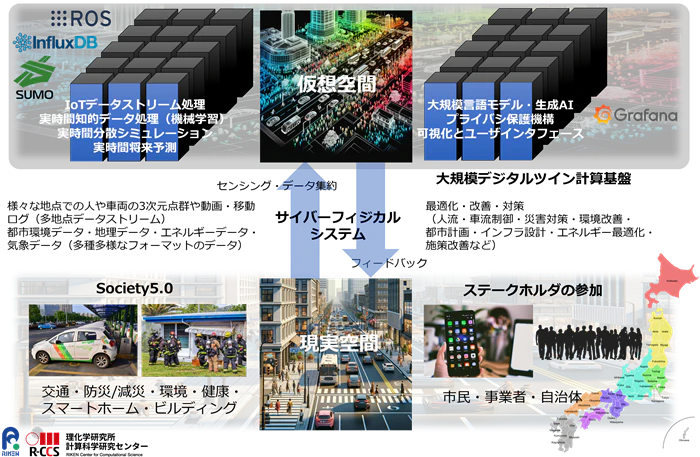
The lab works across smart cities and buildings , smart mobility , people-flow analysis and intelligent environments , smart agriculture , disaster resilience , and space and satellite applications , while also looking toward communication infrastructure including 5G and 6G, to study digital twins and cyber-physical systems that connect physical and cyber spaces.

Using diverse IoT devices such as LiDAR, cameras, wireless systems, and robots, we collect real-world data and connect it to AI-driven sensing, understanding, analysis, prediction, and decision-making over visual, 3D spatial, and wireless data. We further integrate spatial AI, computer vision, robotics, simulation, and edge computing to build data-driven systems that understand people, spaces, and social systems in coordination with the real world.

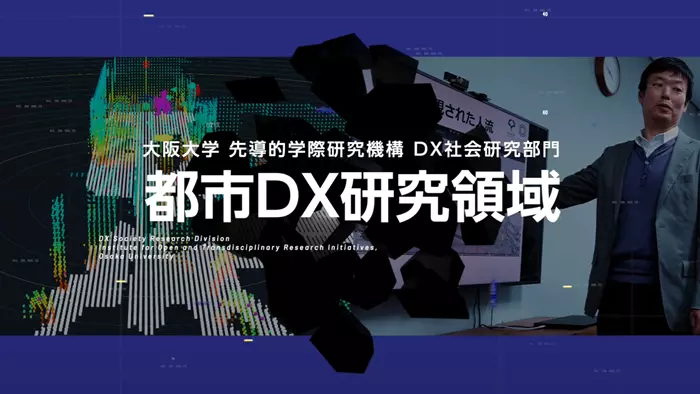
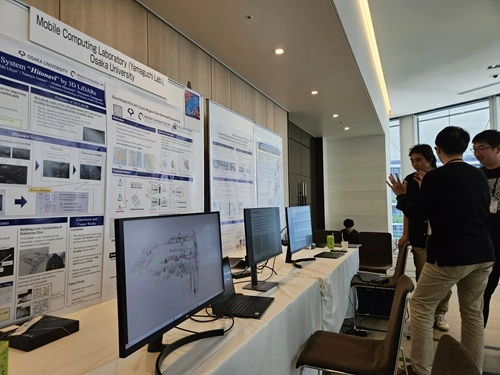
Research presentation scene
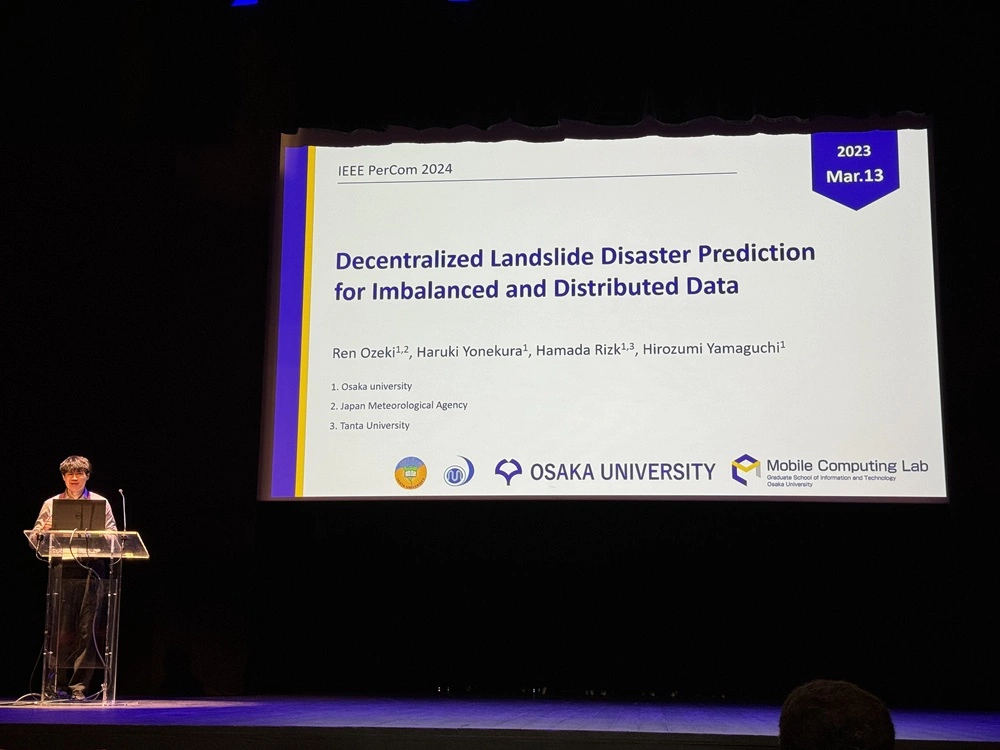
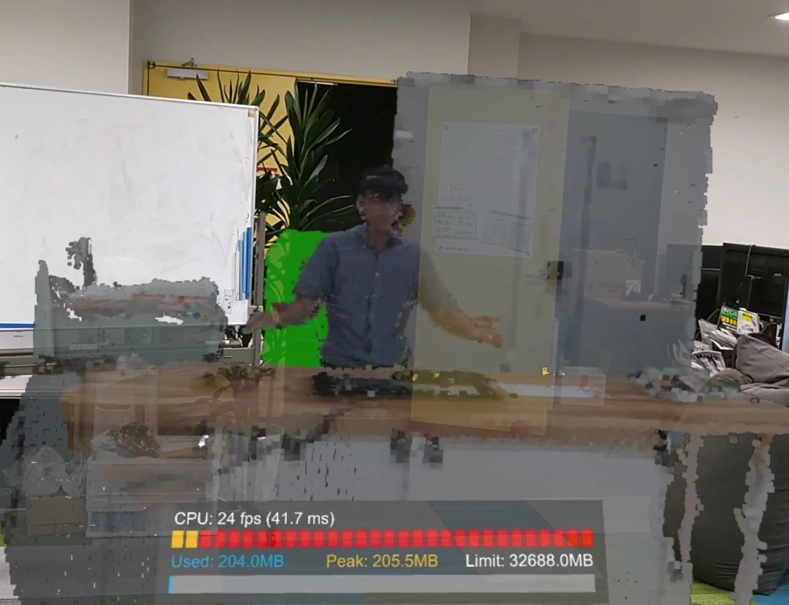
MobiSys 2024 presentation scene
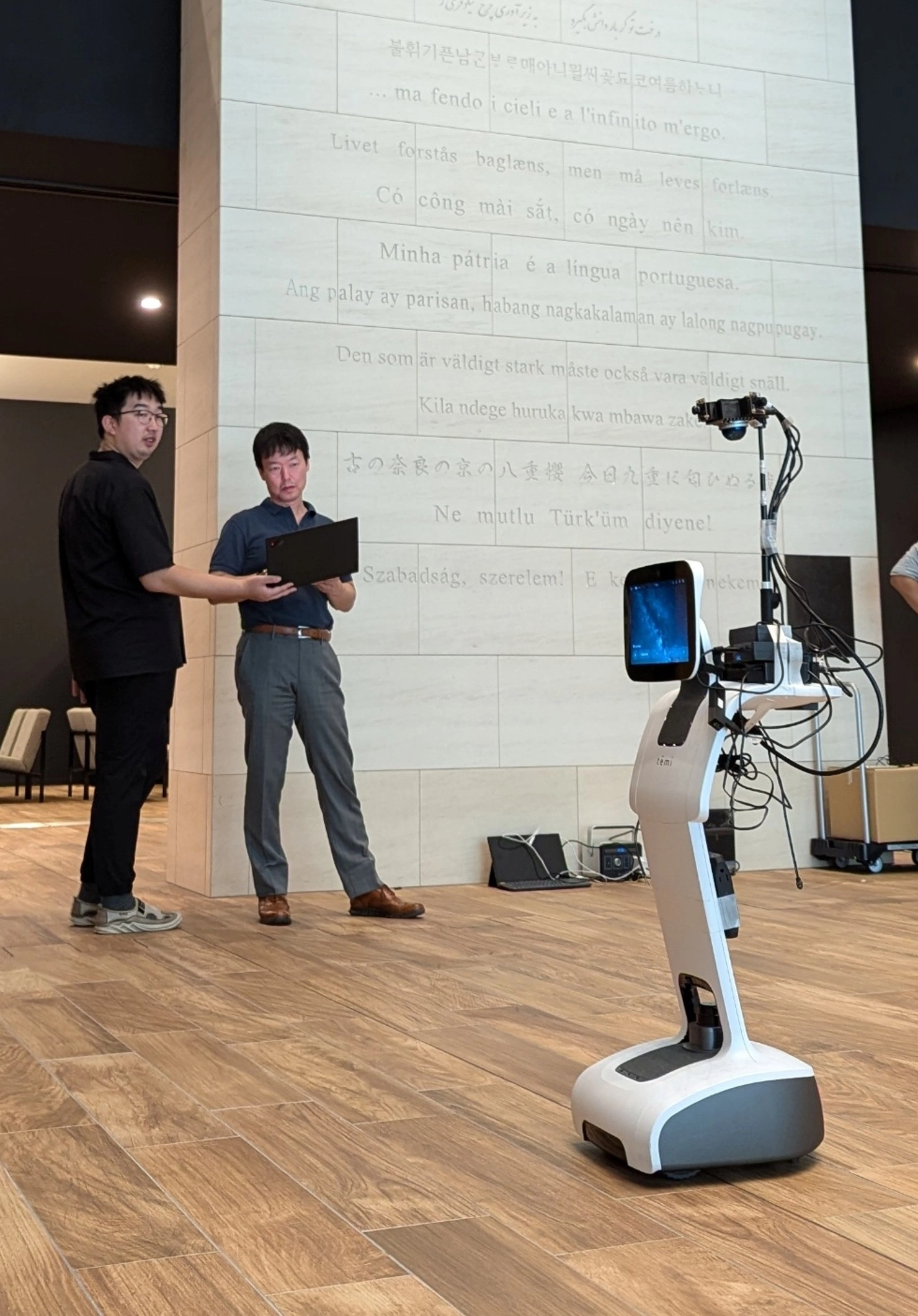
Robotics research scene
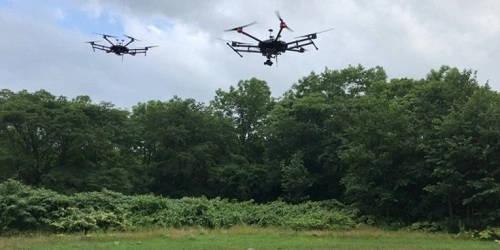
Drone research scene
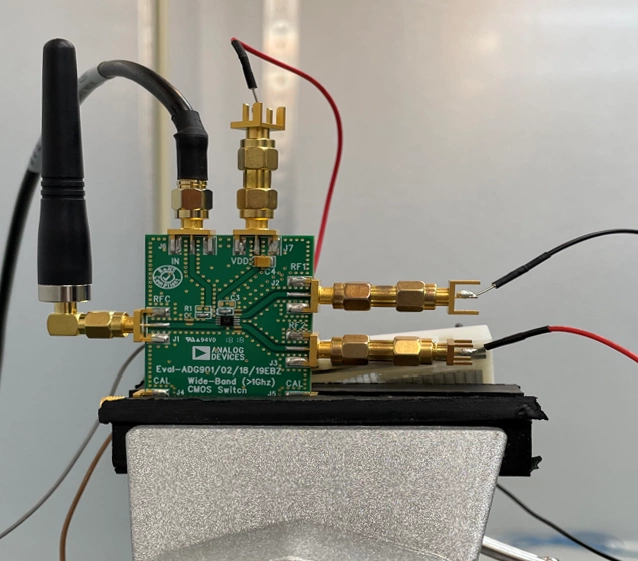
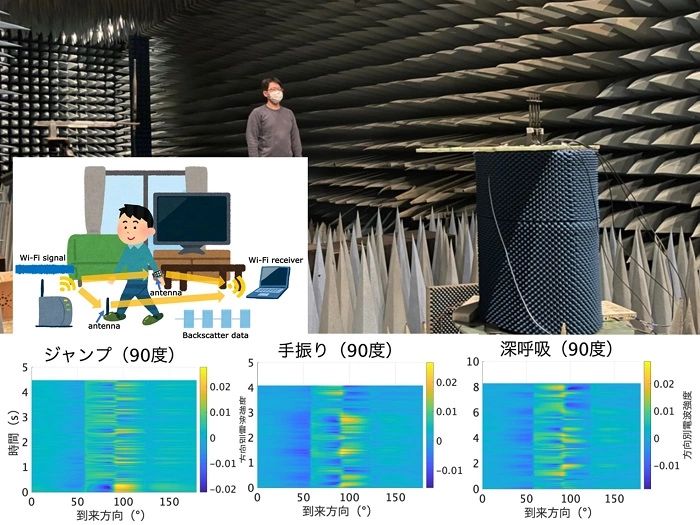
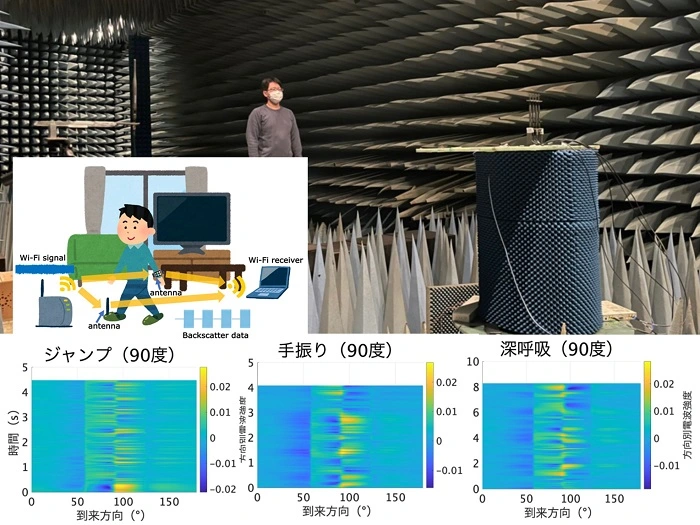
Wireless and antenna research scene
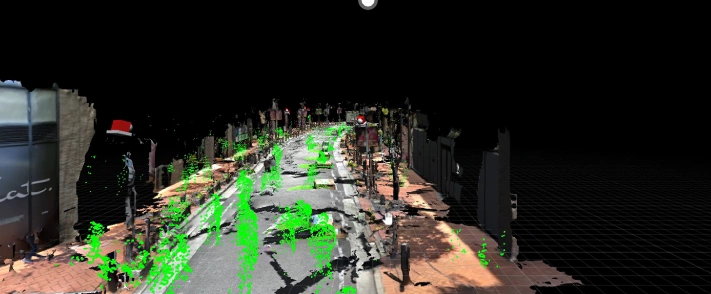
Mobility research visualization
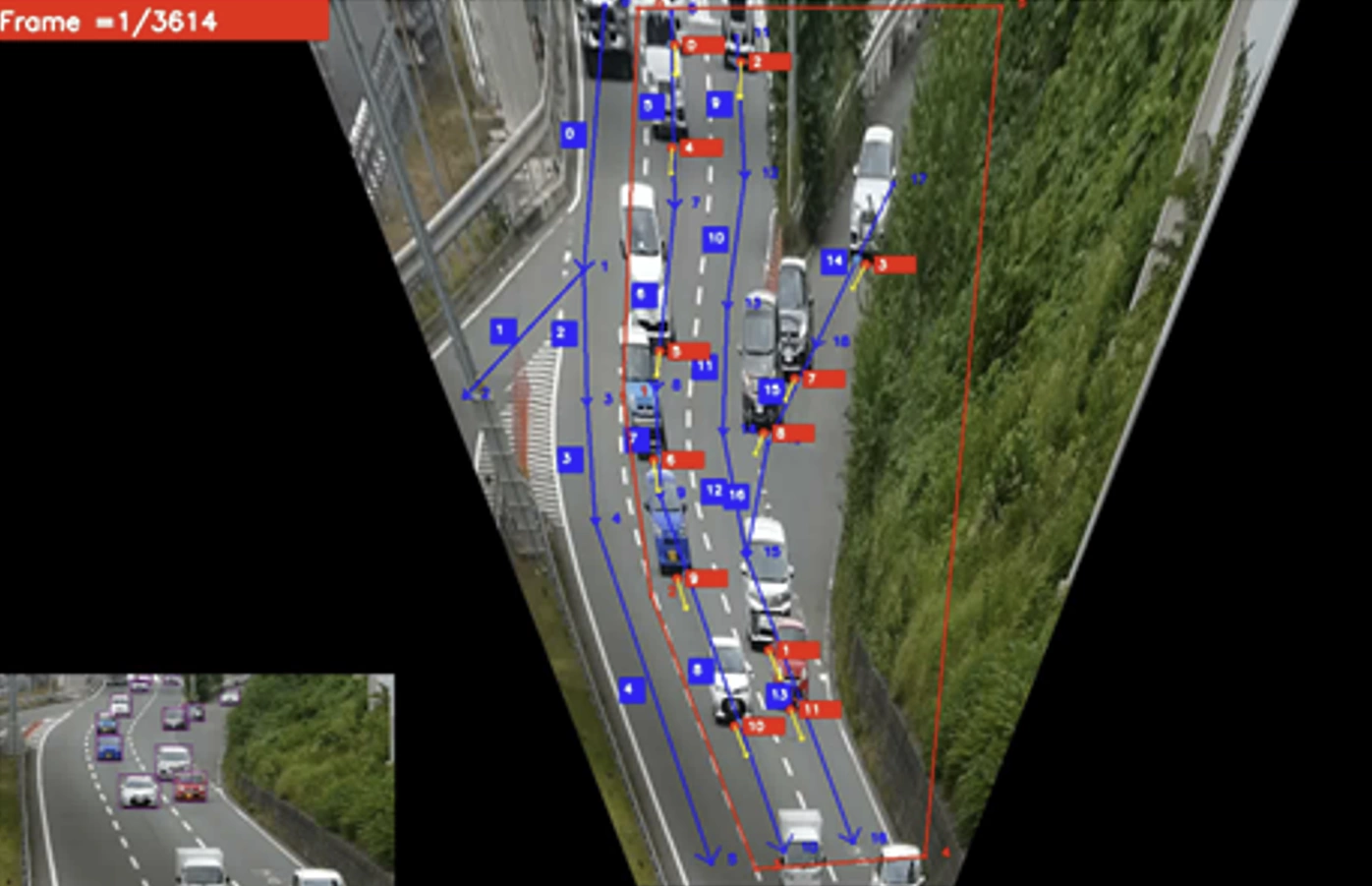
Transportation systems research scene
Crowd-flow analysis research scene
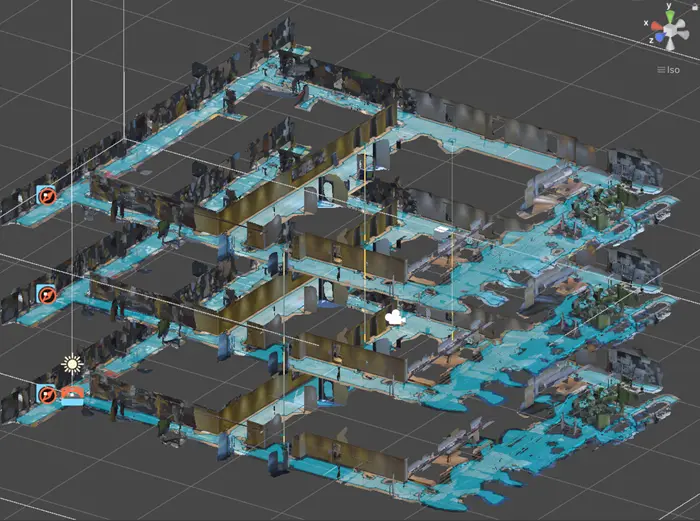
Metaverse research visualization
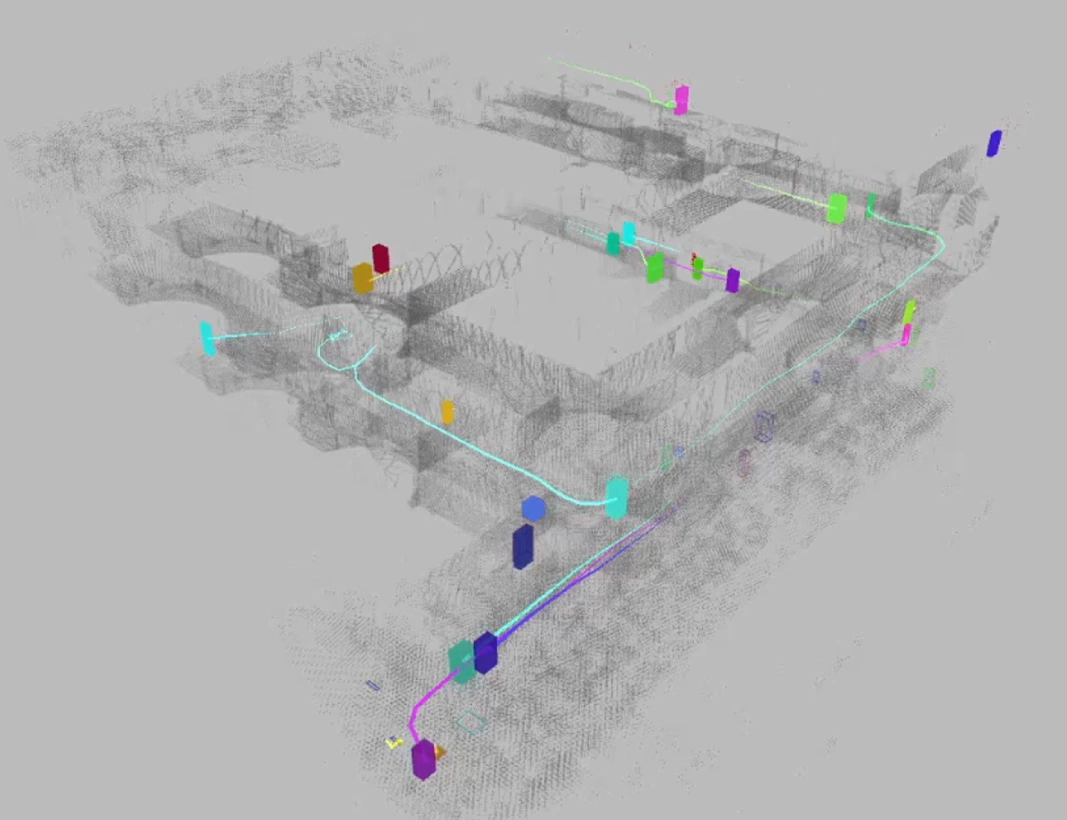
3D people-flow visualization
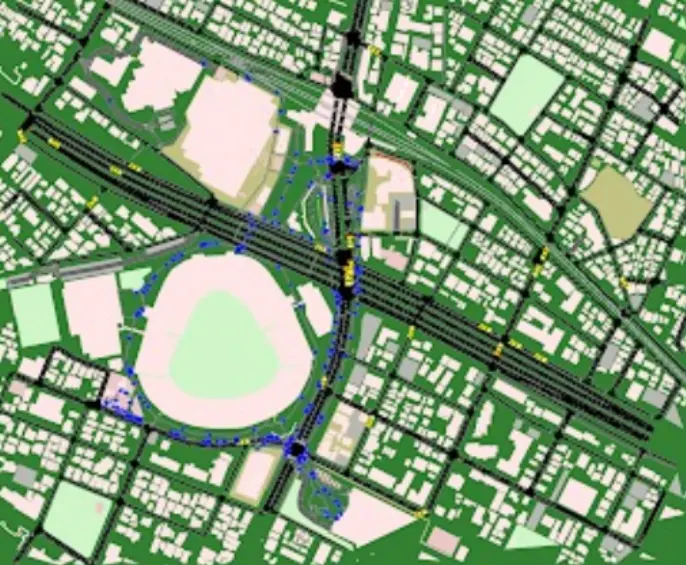
Taxi mobility analysis visualization
Mobility modeling conceptual figure

01 Research Structure

Domains / Foundation Technologies / Cross-cutting

Research Domains and Foundation Technologies

Our research spans application domains such as cities, mobility, people, and shared spaces, and combines sensing, communication and computing systems, and data intelligence.

We focus on uncovering fundamental questions that emerge only within the complex constraints of the real world, and reexamining them through the lens of real-world sensing, digital twins, and cyber-physical systems.

Explore Research Themes

02 Projects

Funded Programs / Joint Research / Social Implementation

03 Environment

Facilities / Computing / Robotics / Workspace

Research Environment

We combine physical platforms — robots, drones, large-scale sensor arrays, and wireless sensing equipment — with simulation environments, GPU computing infrastructure, and AI tools, building a research environment centered on real-world experimentation.

Large-scale 3-Screen Visualization System 1Large-scale 3-Screen Visualization System 2

VISUALIZATION

Large-scale 3-Screen Visualization System

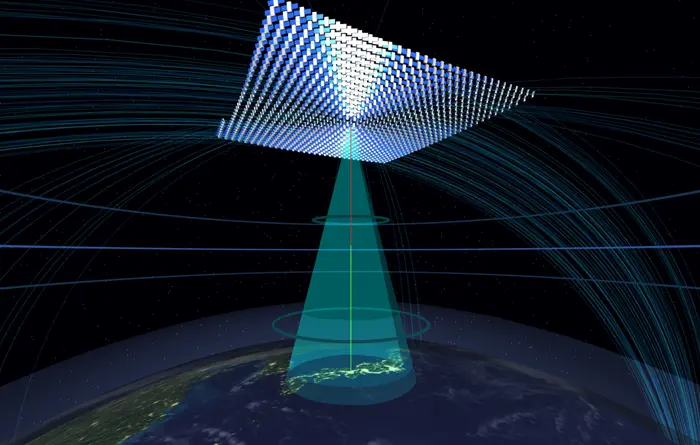
Large-screen visualization of digital twins, urban simulations, crowd analysis, satellite orbit and communication simulations

Smart Room Laboratory 1Smart Room Laboratory 2Smart Room Laboratory 3

SMART ROOM

Smart Room Laboratory

Located in the Industry-Academia Co-creation Building, Suita Campus. An intelligent space with IoT sensors and cameras for experimental validation

HPC

Supercomputer & HPC

Large-scale computing on RIKEN Fugaku

XR

VR & AR

Apple Vision Pro, Valve Index, and more

Computing Infrastructure for AI Research 1Computing Infrastructure for AI Research 2

COMPUTING

Computing Infrastructure for AI Research

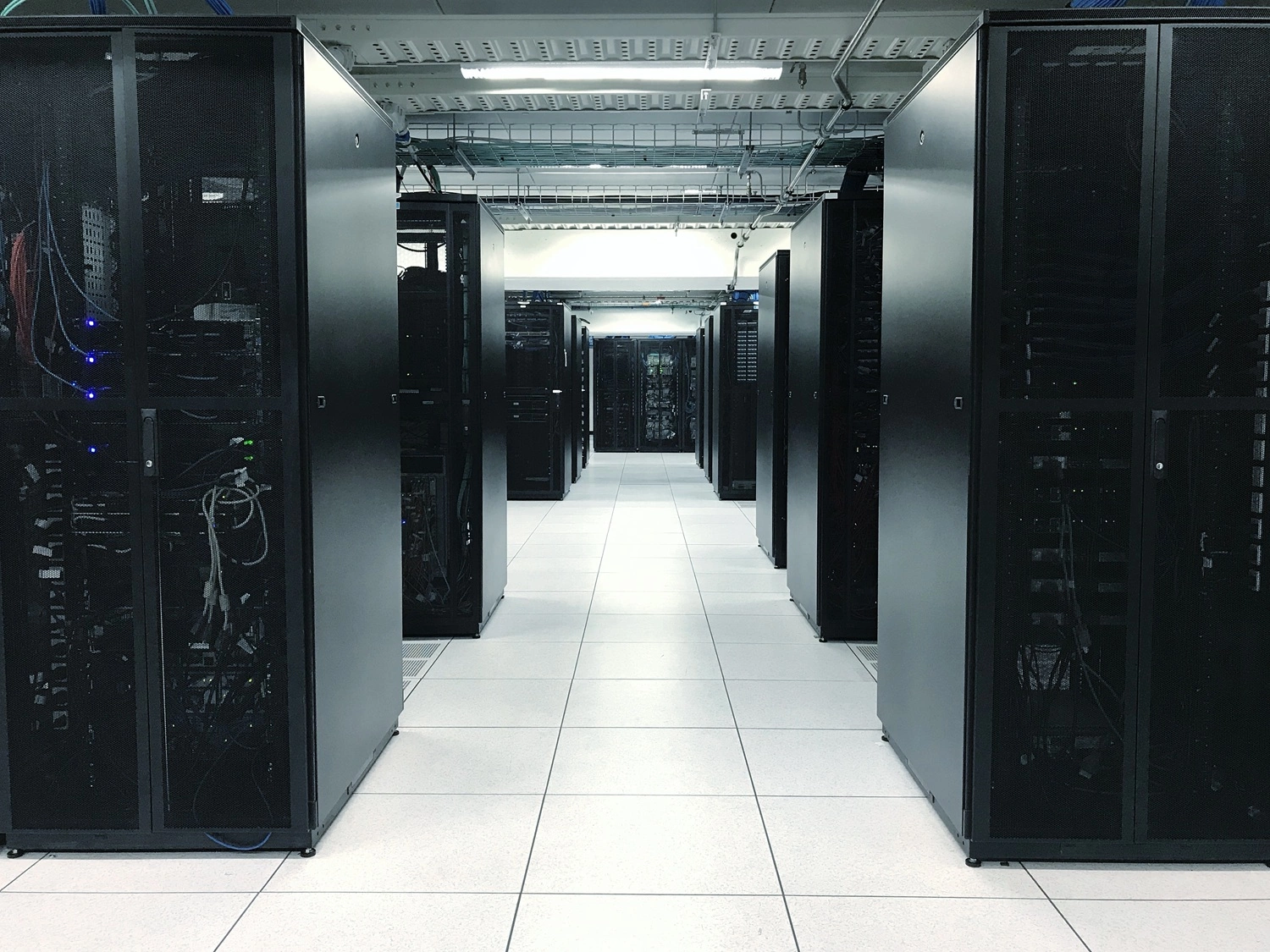
H100×4, DGX SPARK×4, 10+ RTX 5090, A6000×6 — a scale of in-house GPU resources rarely seen in a single lab

Real-world Sensing, Robotics & Mobility 1Real-world Sensing, Robotics & Mobility 2Real-world Sensing, Robotics & Mobility 3Real-world Sensing, Robotics & Mobility 4

ROBOTICS & MOBILITY

Real-world Sensing, Robotics & Mobility

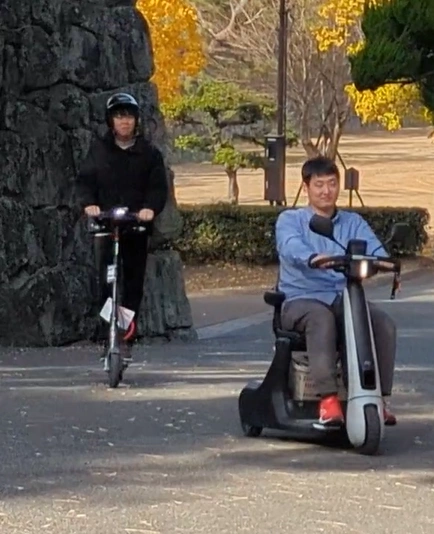
Unitree Go2, Temi, e-scooters, drones, LIDAR, wireless sensing, and more — real-world field experiments beyond simulation and software

Workspace & Study Area 1Workspace & Study Area 2Workspace & Study Area 3Workspace & Study Area 4

WORKSPACE

Workspace & Study Area

Soundproof booths for up to 4 people (ITOKI) for online meetings, Yogibo lounge area

Lab Community 1Lab Community 2

COMMUNITY

Lab Community

Regular social events with diverse members including international students, PhD students, transfer students, and early admission students

Members

AI TOOLS

AI-Assisted Development

AI coding tools are adopted and utilized according to research needs

Multiple Drones 1

UAV

Multiple Drones

Multiple drones for aerial photography and sensing

3D Printers ×3 13D Printers ×3 2

FABRICATION

3D Printers ×3

Prototype development for real-world experiments and applications

PUBLICATIONS

Active Student Publications Worldwide

Top conferences such as PerCom and SigSpatial Publications

05 Publications

Journal Papers / Peer Reviewed / Recent Results

Recent Publications

A selection of recent papers from our lab.

All Publications
AY 2025

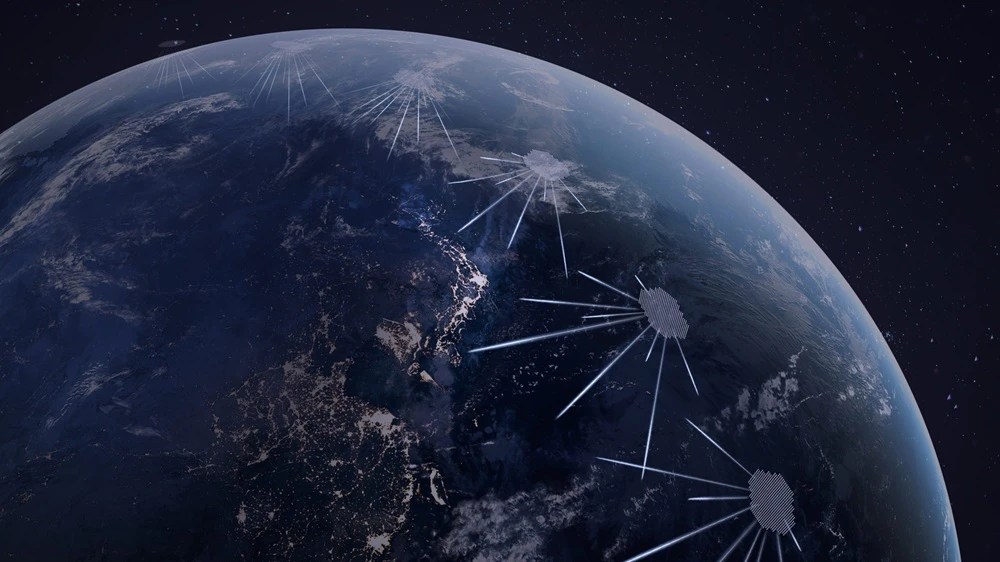
大型編隊飛行を用いた高速ダイレクト通信衛星の方式検討

森岡 澄夫, 稲川 貴大, 本間 尚樹, 山口 弘純, 白根 篤史

電子電子情報通信学会論文誌A 基礎・境界 J108-A (6), 128-142, 2025-06-01

DOI 10.14923/transfunj.2025JAI0001
AY 2025

Home activity recognition using infrequently-monitored HEMS Data

Fukuharu Tanaka, Teruhiro Mizumoto, Hirozumi Yamaguchi

Pervasive and Mobile Computing

AY 2025

Round trip time meets transformers: high-fidelity human counting in cluttered environments

Haruki Yonekura; Hamada Rizk; Hirozumi Yamaguchi

Neural Computing and Applications, 37(28), 23591–23617.

DOI 10.1007/s00521-025-11540-8
AY 2025

Securing Task Offloading and Service Caching in Multi-Tier Computing Networks With Untrusted Relays

Bassant Tolba, Mohammed Abo-Zahhad, Maha Elsabrouty, Akira Uchiyama, Ahmed H. Abd El-Malek

IEEE Internet of Things Journal, July 2025.

DOI 10.1109/JIOT.2025.3589668
AY 2025

A trustworthy and explainable deep learning framework for skin lesion detection in smart dermatology.

Mohammad A. Eitaa, Hamada Rizk.

Engineering Applications of Artificial Intelligence, Elsevier, 2025.

DOI 10.1016/j.engappai.2025.111594

07 Contact

Address / Access / Map

Location

Address
Yamadaoka 1-5, Suita, Osaka 565-0871, Japan
5F of Bldg. A, Graduate School of Information Science and Technology
The University of Osaka, Suita Campus
TEL
06-6879-4558
FAX
06-6879-4559
Access to Suita Campus